Our Hearing Aids
Hearing Aids
Explore Hearing Aids and Hearing Aid manufacturers
There are many hearing aid manufacturers on the market right now and there are hundreds of hearing aids to choose from. As an independent clinic, we are not owned by a hearing aid company and we are able to recommend the most suitable hearing aid(s) for you.
The price of each manufacturer's hearing aids is determined, by and large, by the level of technology – not so much the shape, or size, or style (although there can be slight variation in price depending on how much customisation you require). Ring and book a 30 minute chat with us if you are not sure about what you need, or what you've been quoted.
Brands
Trusted Hearing Aid Brands
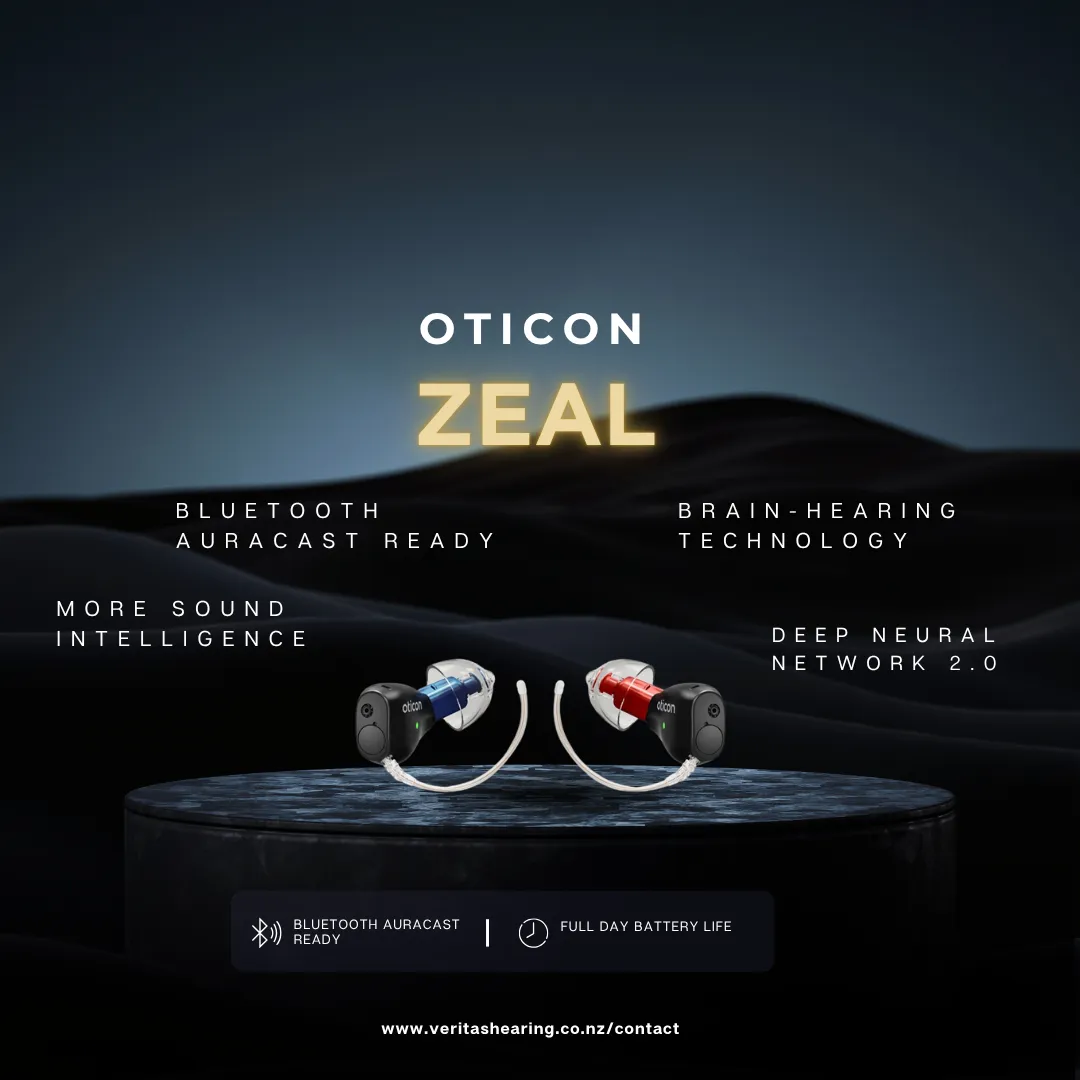
Oticon

Phonak

Widex

Beltone

Signia
Comprehensive Care
What is included when you get hearing aids
- A comprehensive hearing assessment and discussion of your listening needs
- Careful selection of hearing aid style and technology appropriate for you
- Professional fitting using real-ear verification to ensure accurate amplification
- Fine-tuning based on your comfort, sound quality, and real-world listening
- Education on use, care, and expectations
- Follow-up appointments to adjust and optimise performance
- Ongoing support to maintain comfort, function, and hearing health

Hearing Aid Styles
Hearing Aid Styles in Detail
Each style has unique advantages. Learn more about which might be right for you.
Receiver in Canal (RICs)
RIC hearing aids are suitable for nearly all kinds of hearing losses. The hearing aid body houses the electronics and sits on the ear, The hearing aid receiver (speaker) connects to the body with a thin wire and sits in the ear. The ear piece that sits in the ear can be a silicone dome or a custom mould. This is sometimes needed for accurate sound amplification, extra retention or easier handling. People with age related hearing loss or noise related hearing loss, are particularly suited for this style of hearing aid.
Notable recent innovations are the use of artificial intelligence in hearing aids. One example is deep neural network training on millions of sound samples, to learn how to reduce unwanted noise. Another example is environmental classification. Hearing aids perform environment classification analysis multiple times a second and sets microphone focus and hearing aid sound output accordingly. There are also motion sensors in the hearing aids to detect walking. In fact they are more accurate than wrist worn smart watches at measuring the number of steps walked. They come in disposable battery models and rechargeable battery models. The disposable battery model is easy to carry around, batteries are light and easy to purchase. The rechargeable models are robust and water resistant. RICs have great compatibility with smartphones, able to stream media and phone calls and some settings can be controlled via a dedicated app. There are also many accessories available to pair with the hearing aids to enhance the hearing aid capability, including TV streamers (Auracast ready), wireless microphones
Key features:
Rechargeable, Bluetooth connectivity, App control, Aritificial Intelligence, Motion Sensors, Water Resistance
Suitable for:
Most individuals
Behind The Ear (BTE)
Behind-the-Ear (BTE) hearing aids are very similar to the RIC style. BTE sits behind the ear and sends sound through a thin tube or a thicker, size 13 tubing (3.2mm diameter). This depends on the level of hearing loss.
They are suitable for people with active life style and work environments. The tubing (thin or thick) is easy to change should it become damaged. They can be more cost-effective to maintain as there are no electronics sitting inside the ear. It is easy to change the tubing when it becomes hardened with the sun or clogged with debris and wax. They have the same features as RIC hearing aids, including artificial intelligence use for noise reduction, environmental classification, fitness tracking. They also come in disposable battery models and rechargeable battery models.
Key features:
Easy to maintain, Rechargeable, Bluetooth connectivity, App control, Artificial Intelligence, Motion Sensors, Water Resistance
Suitable for:
Most hearing losses, people who play sports, people with dexterity issues, people with wax build up.
Custom Hearing Aids
Custom hearing aids are made for each individual’s ears. From largest to smallest in size, there are Full-Shell, Half-Shell, In the Canal (ITC), and Completely In Canal (CIC) styles. Custom hearing aids are suitable when you have other gear you need to wear and take off. For example, simultaneous use with glasses, helmets, ear muffs, mouth masks. The rule of thumb is: the smaller the hearing aid is, the less features it may pack into its shell. However, the core hearing aid technology of noise reduction and environment analysis will still be available. One advantage of smaller hearing aids is better localisation and protection from wind noise. Users need to regularly change the sound filter as ear wax can build up and block the sound.
Key features:
Rechargeable (depending on size), Bluetooth connection (depending on size), natural sound localisation, protection from wind noise.
Suitable for:
People with dexterity issues (Full Shell and Half Shell styles), simultaneous wearable gear usage.
Not suitable for:
Excessive ear wax production