Why "Loud" Doesn’t Always Mean "Clear": Understanding Hearing Loss
Hearing is about more than just volume; it is the fundamental way we stay connected to the people and moments that matter most. Whether it’s catching the punchline of a joke over coffee or following the subtle notes of a favorite song, our sense of sound shapes how we navigate the world. However, hearing loss is frequently misunderstood because we tend to think of it simply as a lack of volume. In reality, it is rarely a matter of things being "too quiet"; more often, it is a loss of definition. Imagine zooming in on a fuzzy image—no matter how much you enlarge it, the picture stays blurry. Turning up the volume on a distorted signal works the same way. You might hear that someone is speaking, but without the clarity needed to distinguish specific sounds, a simple conversation becomes a tiring mental puzzle. To find the right solution, we first need to understand which "type" of hearing loss is causing the blur.
1. Sensorineural Hearing Loss: The "Resolution" Problem
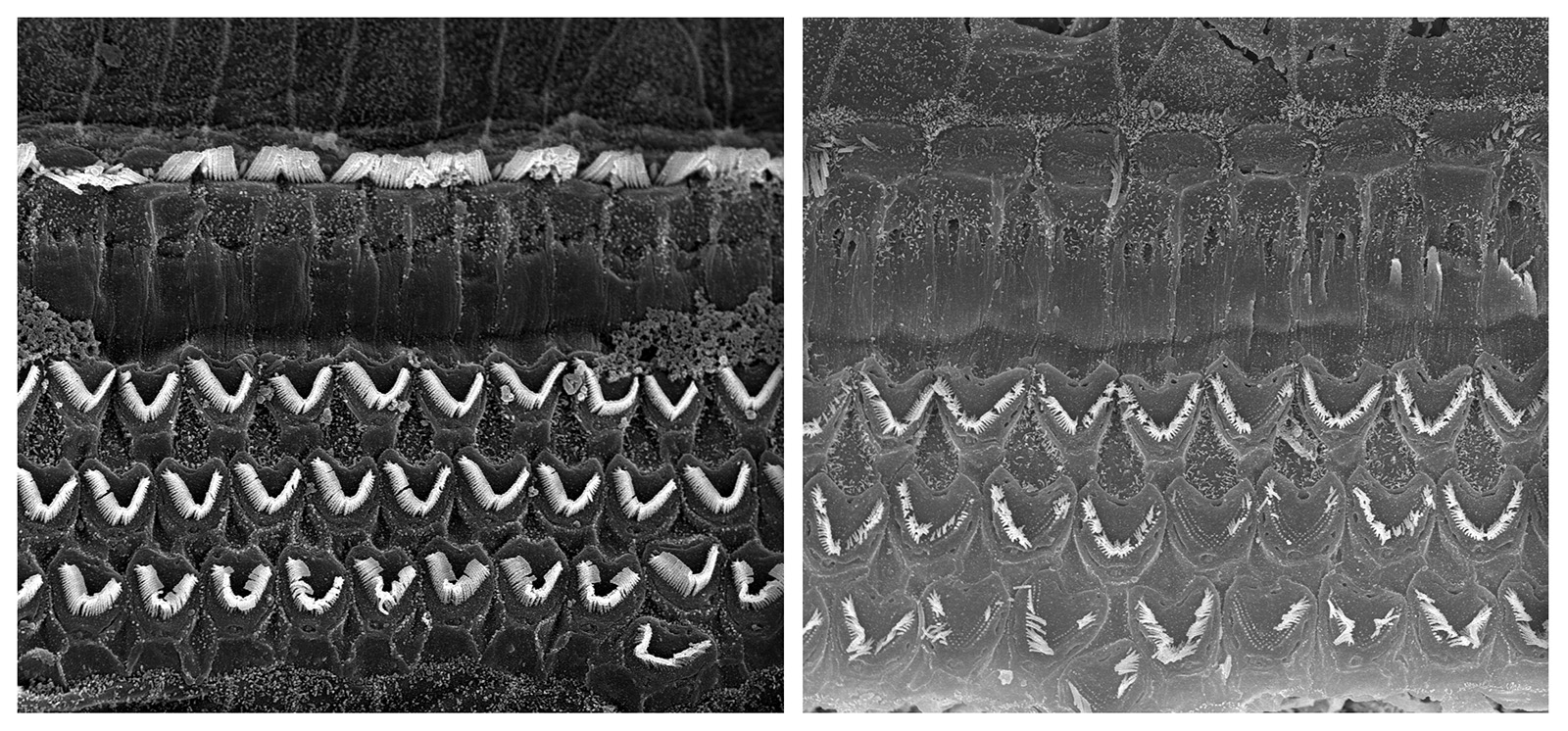
This is the most common type of permanent hearing loss. It occurs when the delicate hair cells in the inner ear (cochlea) or the auditory nerve pathways are damaged. While other types are about volume, this is a processing problem where your hearing loses its sharpness in specific ways:
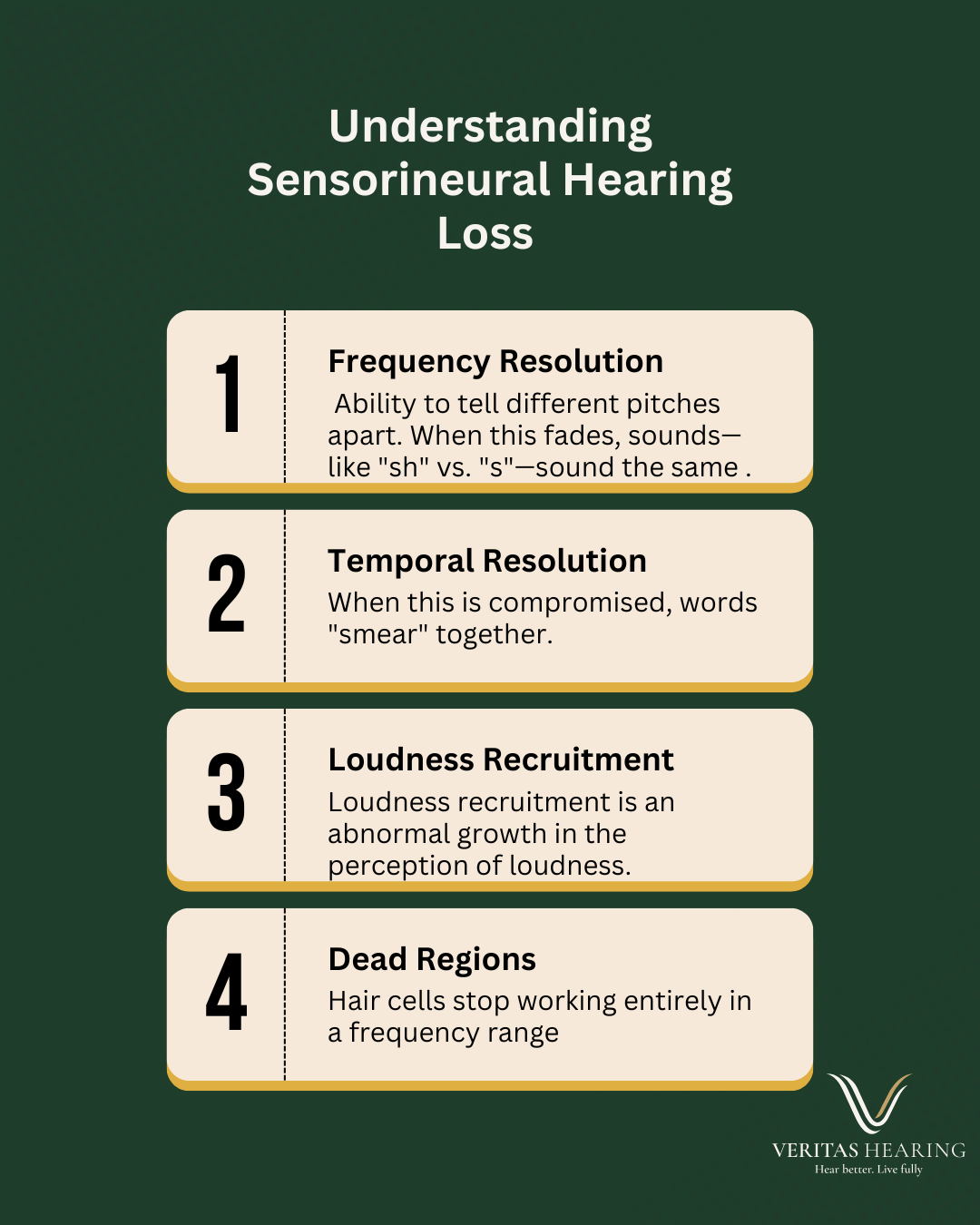
• Frequency Resolution (The Blur): This is your ear’s ability to tell different pitches apart. When this fades, the distinct sounds of speech—like "sh" vs. "s"—bleed together. It’s like a piano where the keys are clumped; no matter how hard you hit them, you can’t get a clear melody.
• Temporal Resolution (The Smear): This is the ability to hear the tiny, millisecond gaps between speech sounds. When this is compromised, words "smear" together. It’s like trying to read a sentence where all the spaces between the words have been removed.
• The "Missing Keys" (Dead Regions): Sometimes, certain hair cells stop working entirely. If a speech sound falls into one of these "dead zones," your ear might try to "borrow" a neighboring cell to hear it, but the result is a jarring, distorted sound.
• The "Volume Rollercoaster" (Recruitment): You might struggle to hear a whisper, but a slightly louder sound—like dishes clattering—suddenly feels painfully loud. Your ears have lost their "dimmer switch," leaving very little middle ground.
• "Where Is That Coming From?" (Localization): Our brains use both ears to pinpoint sound. When this timing is disrupted, you might hear a phone ringing but have to spin around to find it, making it much harder to "tune out" background noise in a busy room.
2. Conductive Hearing Loss: The "Barrier" Problem
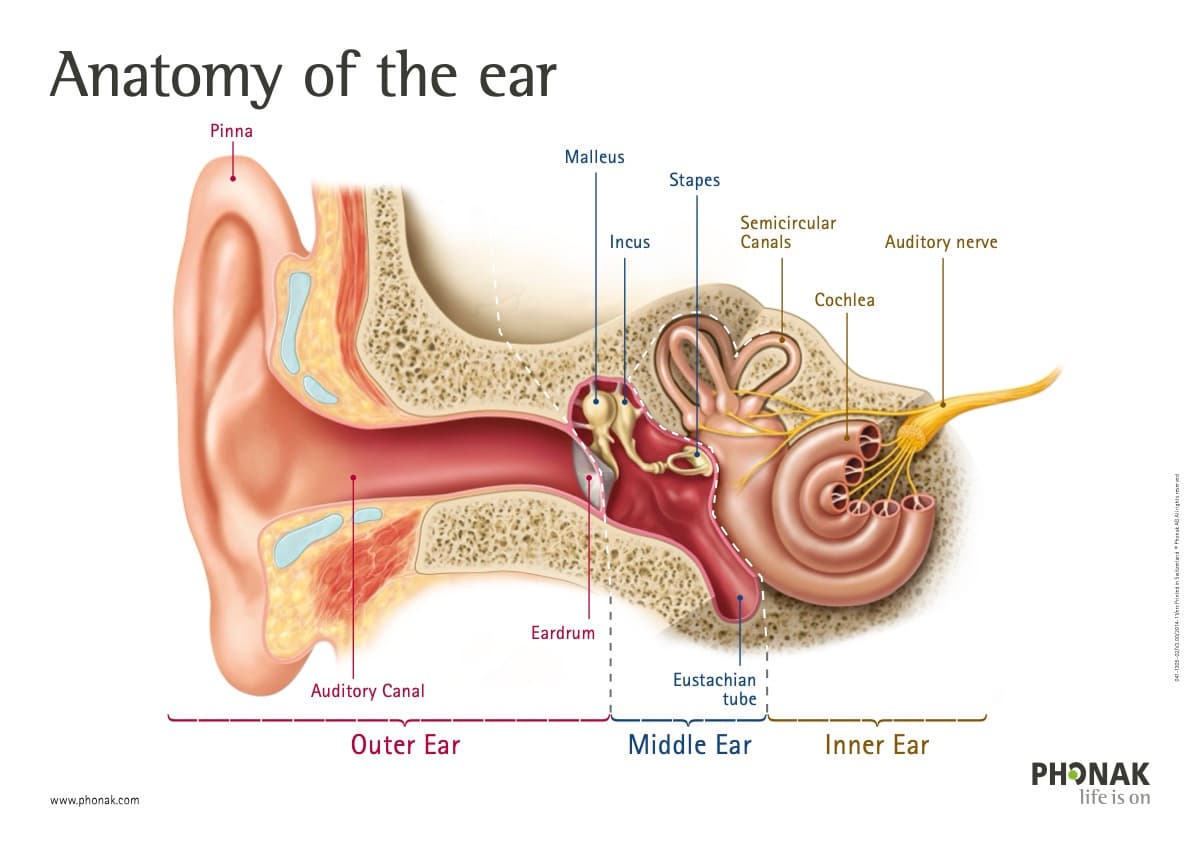
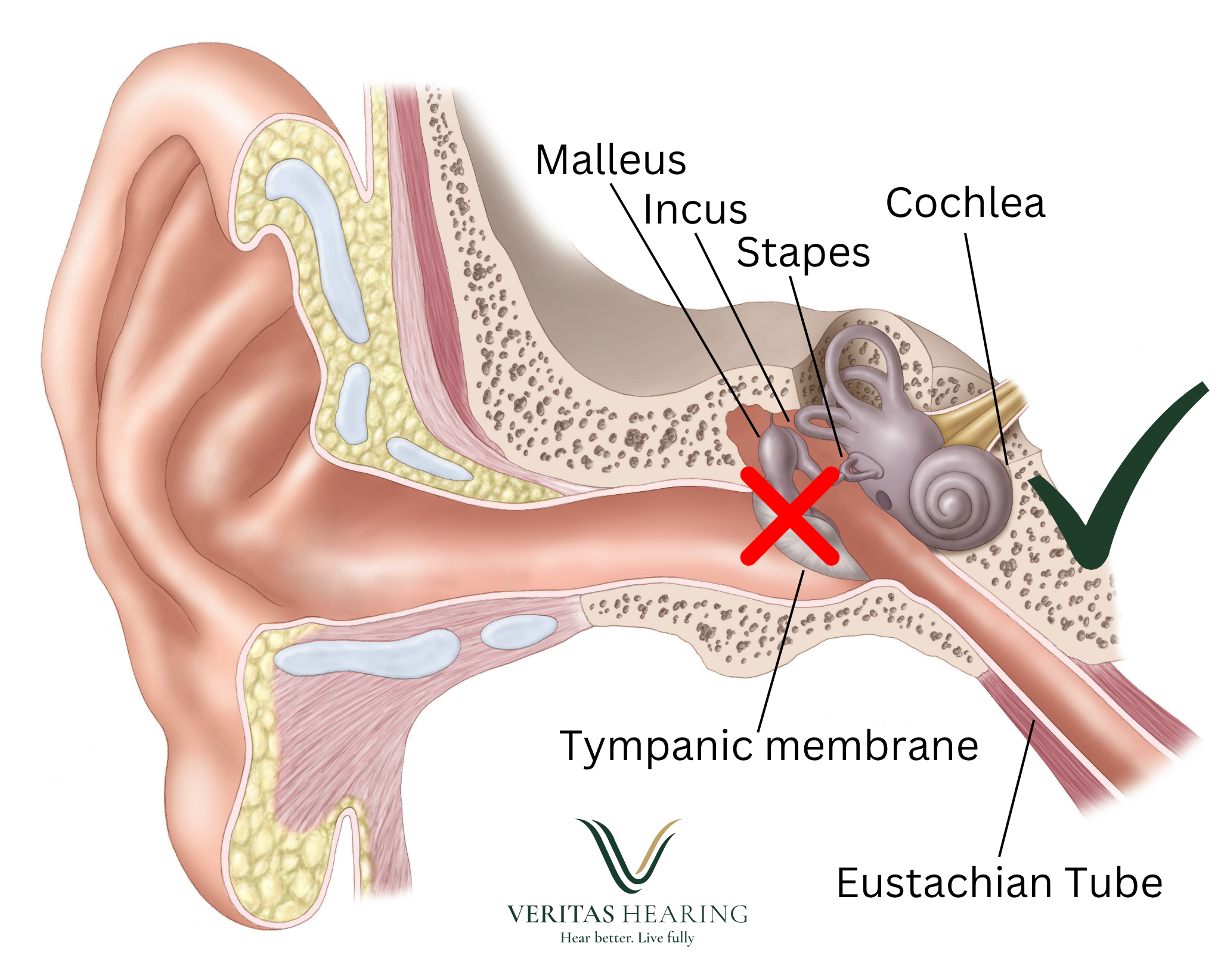
In contrast, conductive hearing loss is usually a mechanical issue. In this case, your "inner ear" and its ability to resolve detail are often perfectly healthy—the sound simply cannot reach them because of a physical barrier. This can occur in the outer ear or middle ear.
• The Experience: This truly feels like a "volume" issue. It is similar to wearing earplugs or listening through a thick door. The sounds aren't necessarily "fuzzy"; they are just faint. • Common Causes: This is often temporary and can be caused by impacted earwax, fluid from a cold, or a restricted eardrum.
• The Fix: Because the "high-resolution" processor of the inner ear is still intact, resolving the physical blockage often restores hearing to its full potential.
3. Mixed Hearing Loss: A Bit of Both
This happens when someone has an underlying permanent change in their inner ear (Sensorineural) but also develops a temporary physical blockage (Conductive).
In these cases, we focus on clearing the "volume" barrier first before using technology to sharpen the remaining "resolution."
Why Advanced Technology is the Answer
Because the most common hearing loss is a "processing" problem, a simple amplifier isn't the solution. Turning up the volume on a "missing piano key" or a "fuzzy image" just creates a louder version of the same frustration. This is why modern hearing technology is so sophisticated. It acts like a high-speed computer for your ears—using automation to compress painful loud sounds, sharpen blurry frequencies, and re-sync your two ears so you can once again find your place in the conversation. The first step to regaining that clarity is a professional check-up to see exactly how your ears are processing the world.
Read more on how advanced technology like Oticon Intent or Phonak Sphere can help you hear better
click here.